
AI-powered operational intelligence
Turn fragmented operations into coordinated action.
Quantifeye connects enterprise data, predictive analytics, AI-assisted decisions, and operational execution in one environment—so teams can move from signal to measurable impact.
SaaS · Customer cloud · Dockerized on-premises · Bare metal
Operational intelligence workspace
Ask the operation. Act on the answer.
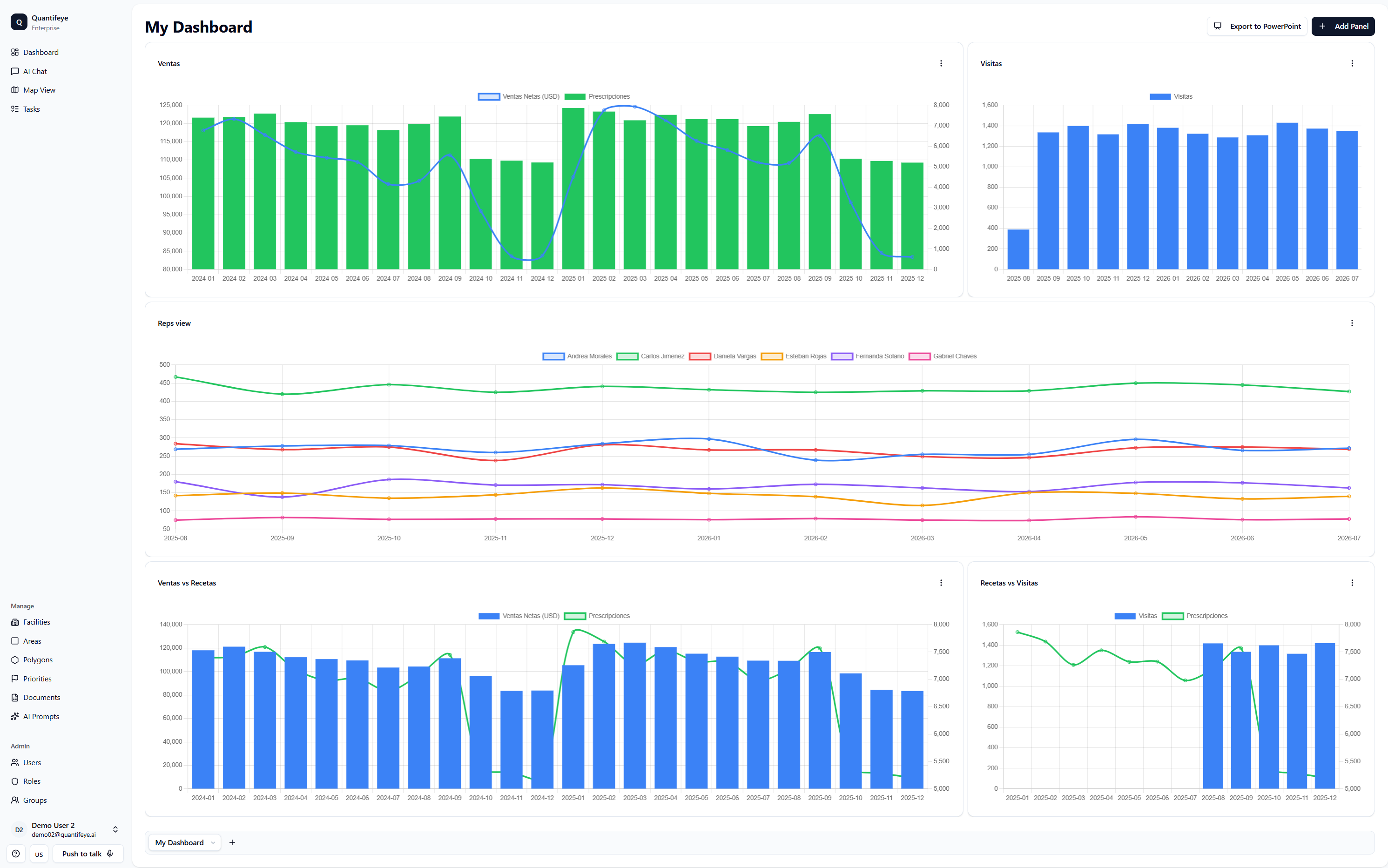
Connect the full operational picture
What Quantifeye does
Operational intelligence that does not stop at the dashboard.
Quantifeye brings together data from enterprise systems, telemetry, documents, maps, field reports, and operational workflows. It turns that context into forecasts, priorities, accountable execution, and measurable feedback—inside one operating environment.
Unify fragmented data
Connect enterprise systems, telemetry, documents, geospatial context, and field inputs.
Predict what matters
Forecast demand, identify risk, detect anomalies, and rank work by impact.
Coordinate execution
Route tasks, approvals, inspections, and field work to the right team and place.
Learn from outcomes
Capture real execution data to improve the next decision and operating cycle.
One operational environment
Everything teams need to understand, decide, and act.
Quantifeye combines predictive analytics, an AI workspace, maps, task and approval control, mobile workflows, document ingestion, and middleware—without forcing every team into another disconnected tool.
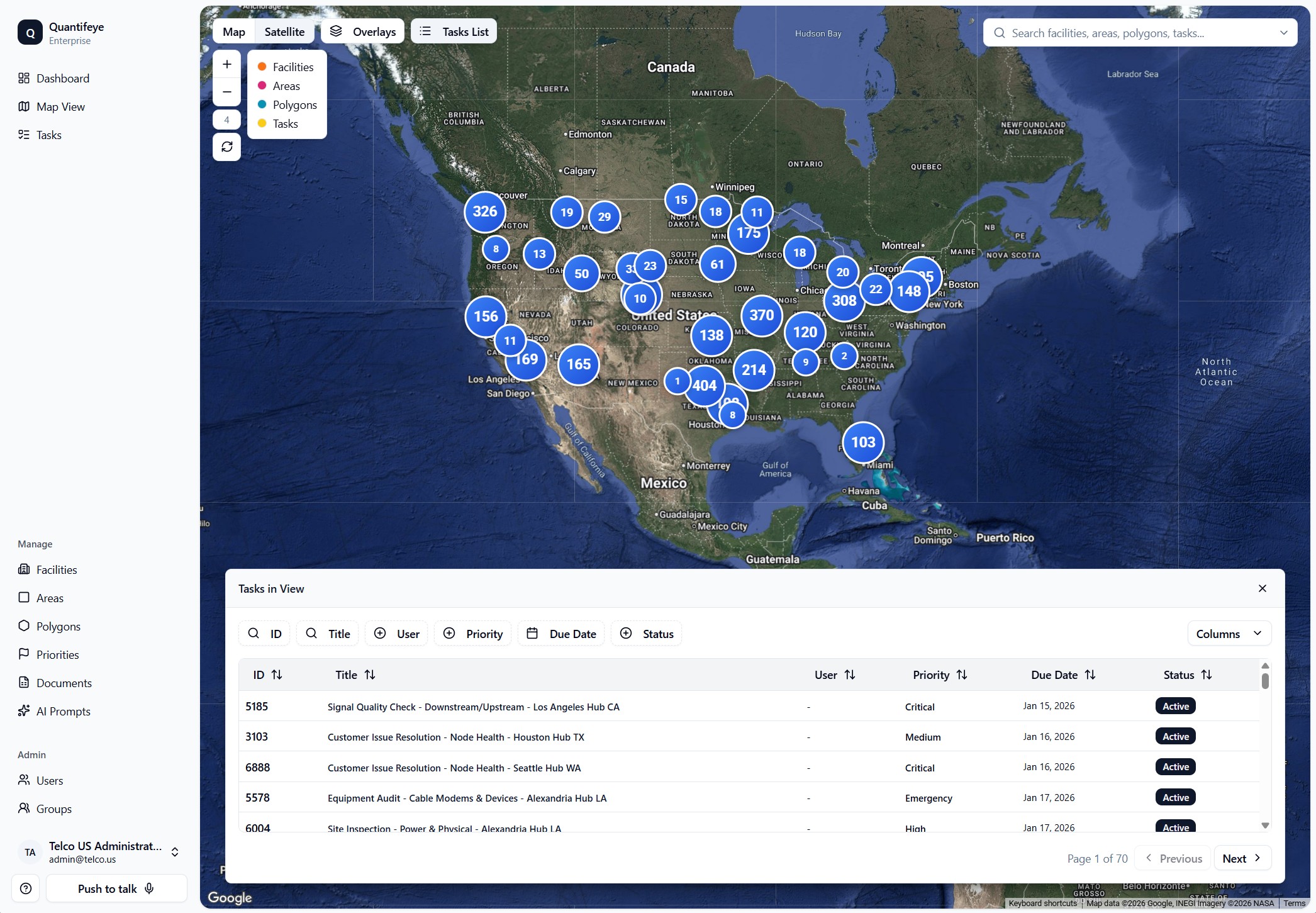
A live map of work, risk, and assets
See operational context by territory and move from geographic signal to assigned work in the same view.
Predictive analytics
Forecast demand, revenue, churn, failures, expiration risk, and operating performance.
AI workspace
Investigate data, summarize context, generate reports, and support faster decisions.
Maps & field operations
Coordinate facilities, assets, territories, routes, inspections, and geolocated work.
Tasks & approvals
Turn intelligence into accountable workflows with priorities, owners, evidence, and status.
Documents & ingestion
Bring structured and unstructured enterprise information into the same decision context.
APIs & middleware
Connect Quantifeye intelligence to existing apps, channels, and partner systems.
AI workspace
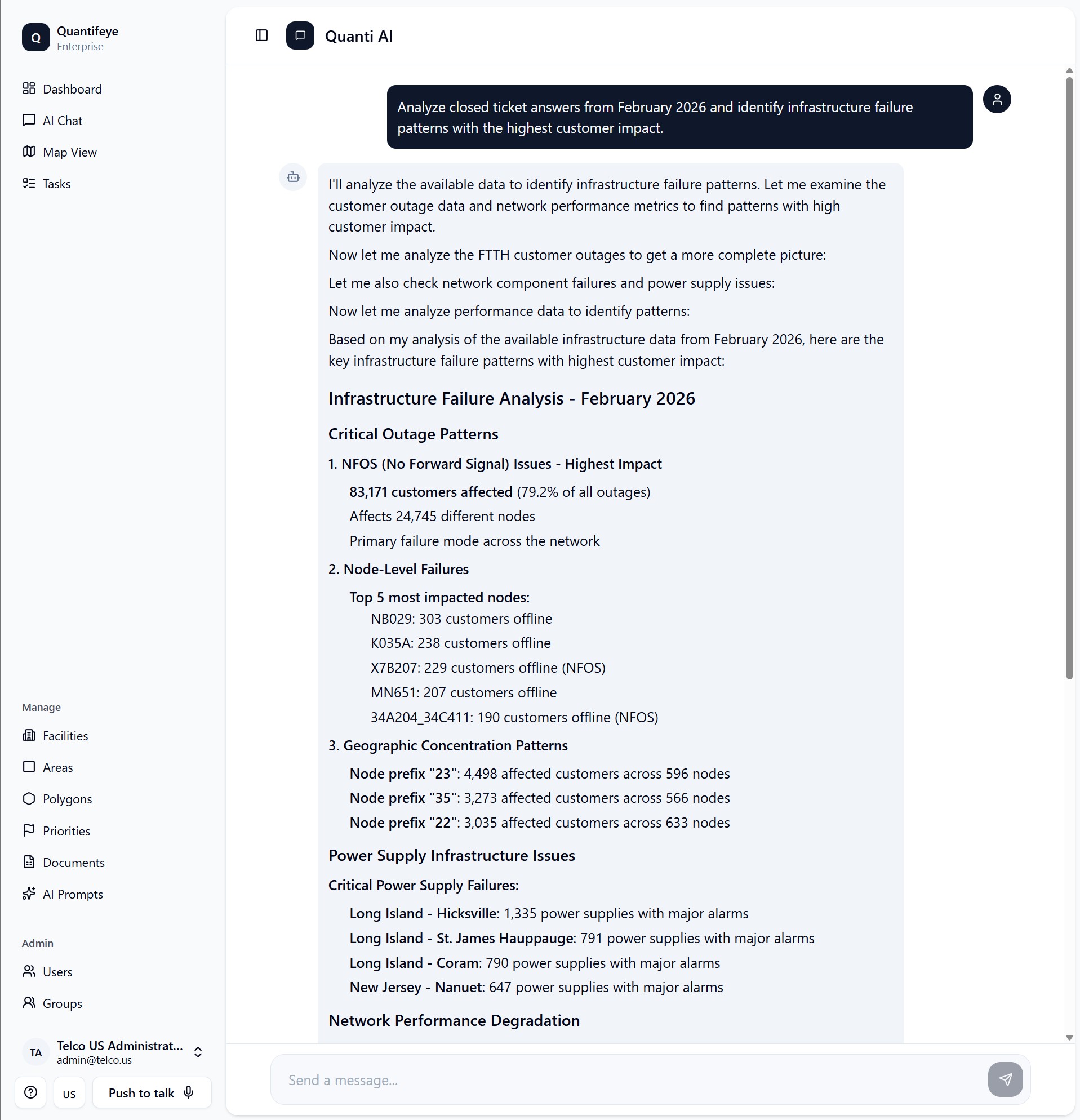
Ask questions your operation can answer.
Explore large operational datasets in natural language, investigate patterns, and turn analysis into a recommendation grounded in the data your teams already produce.
- Cross-source operational analysis
- Reports grounded in enterprise context
- Recommendations connected to execution
Coordinated execution
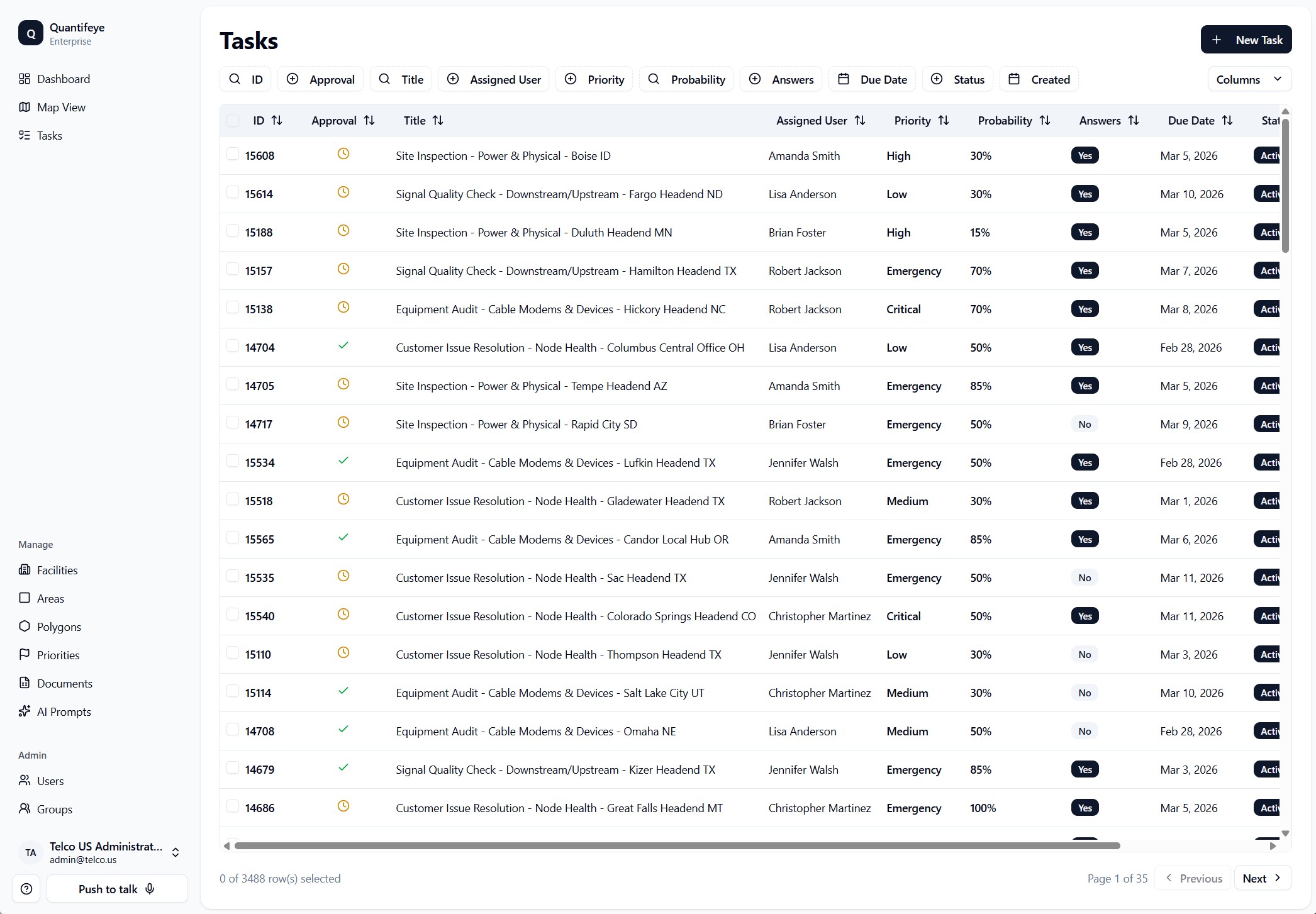
Move intelligence into the field—and outcomes back into the model.
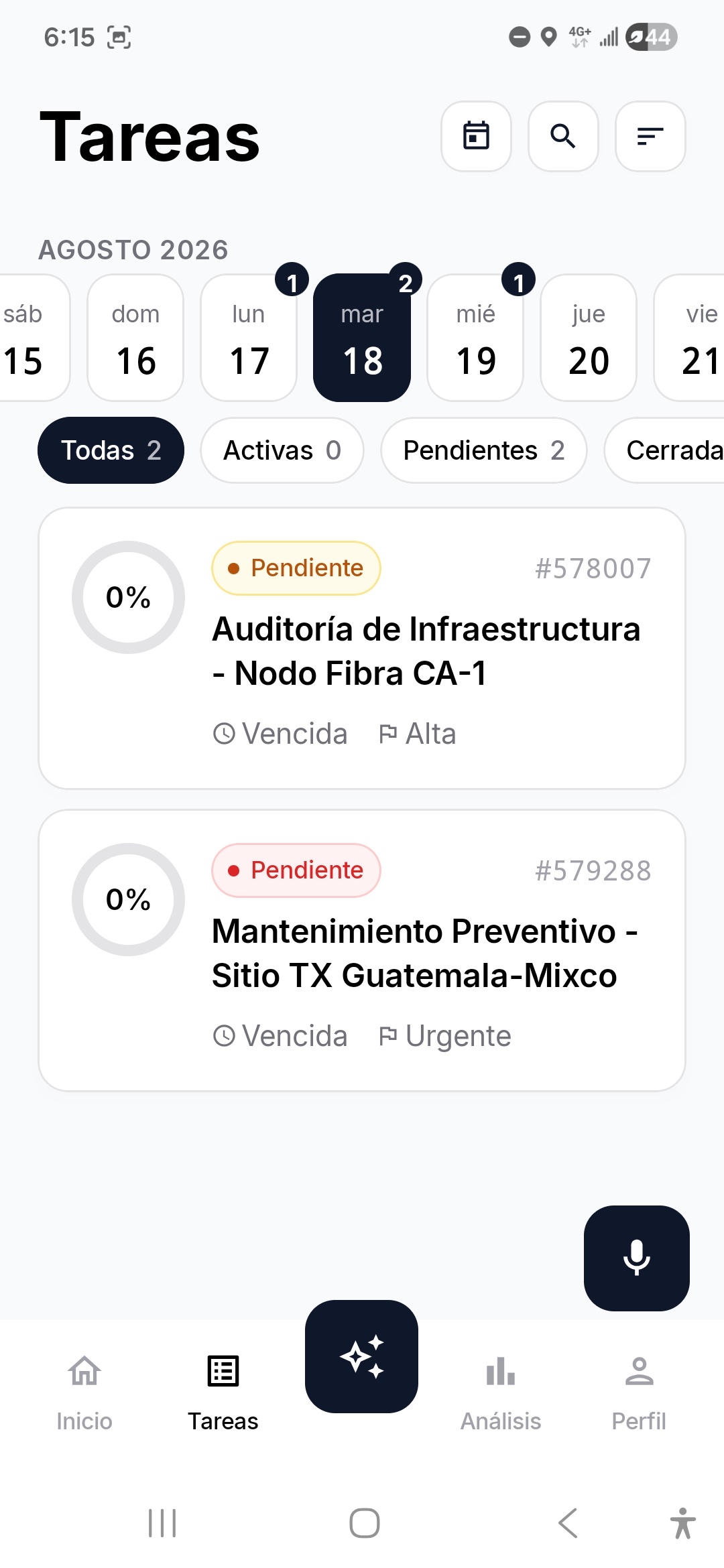
Prioritize work by probability and impact, route it by geography and responsibility, and capture evidence from distributed teams in a closed operational loop.
- Geospatial task routing
- Mobile evidence and field responses
- Approvals, ownership, and status visibility
Two paths. One intelligence layer.
Works with the systems you have. Extends the stack you need.
Quantifeye is the intelligence and orchestration layer in both cases. Start by connecting your current systems, or add modern software that creates a clean, AI-ready data foundation.
Already have ERP, CRM, POS, or operational systems?
Keep them. Quantifeye connects the technology you already trust and converts its data into predictive insight, coordinated workflows, and operational feedback.
Explore the PlatformStill operating with fragmented tools or unstructured data?
Add connected ERP, CRM, or digital engagement software and create structured data designed to work directly with Quantifeye from day one.
View Connected SoftwareSovereign AI
Millions of records. Predictable costs. Your data, your rules.
Analyze enterprise-scale data without uploading your entire database to AI providers or leaving your AI bill open-ended.
Explore Sovereign AIEnterprise-scale analysis
Agreed fee and scope
Deployment under your control
Connected software
Optional software. Native connection.
ERP, CRM, and Social are recommended systems of record and engagement for organizations that need modern tools or a stronger source of structured data. Quantifeye remains the intelligence layer that connects them.
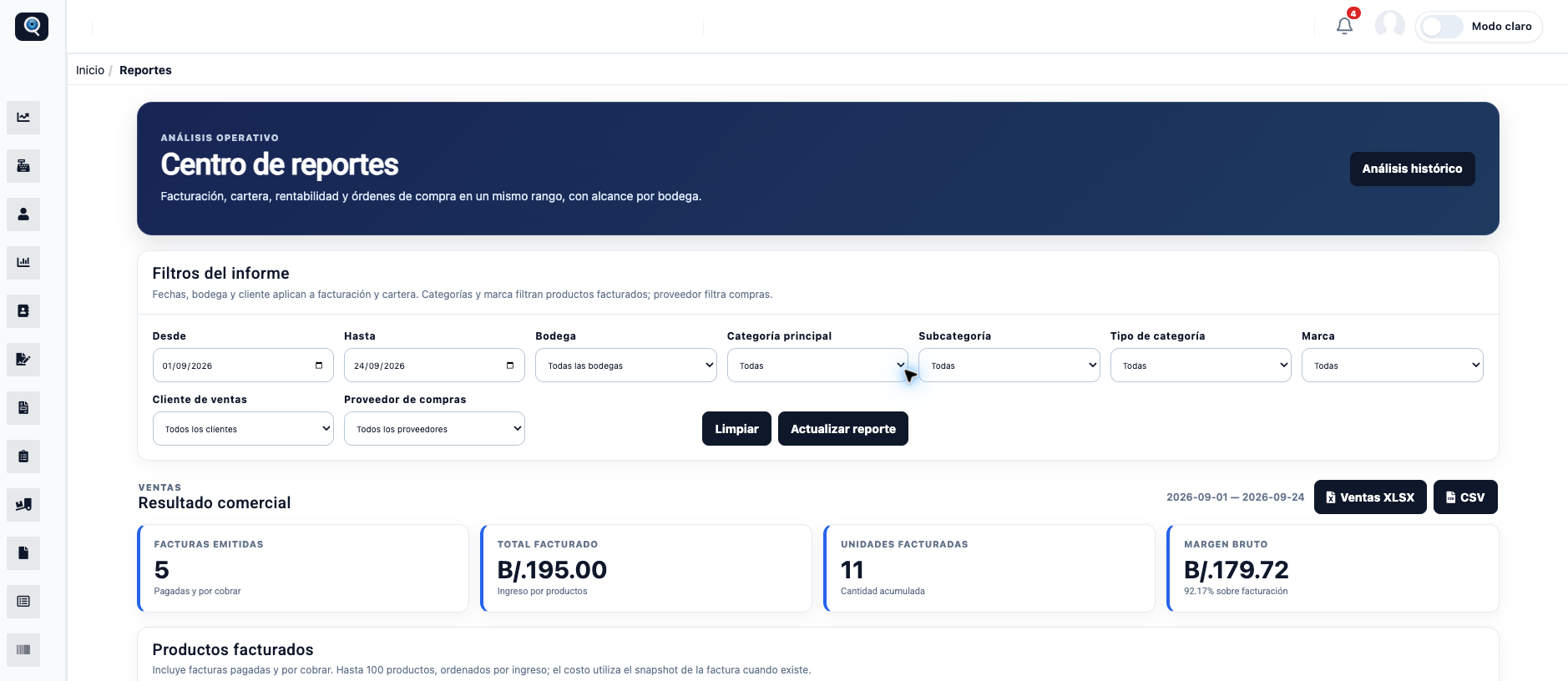
Operations & finance
Connected ERP
Structure the transaction behind every decision.
Modernize purchasing, inventory, sales, POS, fiscal control, and service operations while making clean operational data available to Quantifeye.
Explore Connected ERP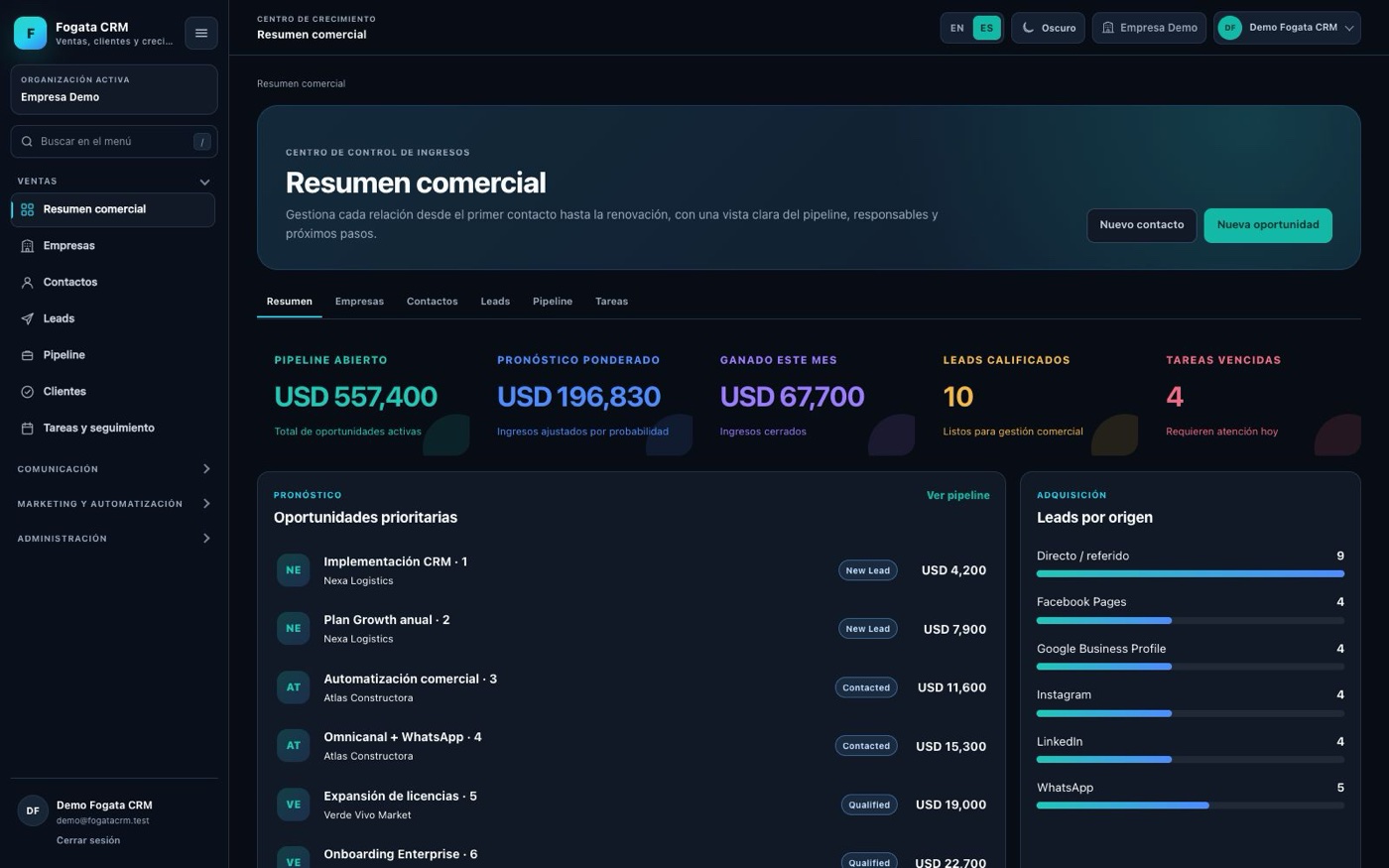
Customers & pipeline
Connected CRM
Turn every relationship into shared context.
Manage customers, pipeline, activities, service interactions, and automation in a source of truth connected to operational intelligence.
Discuss CRM Fit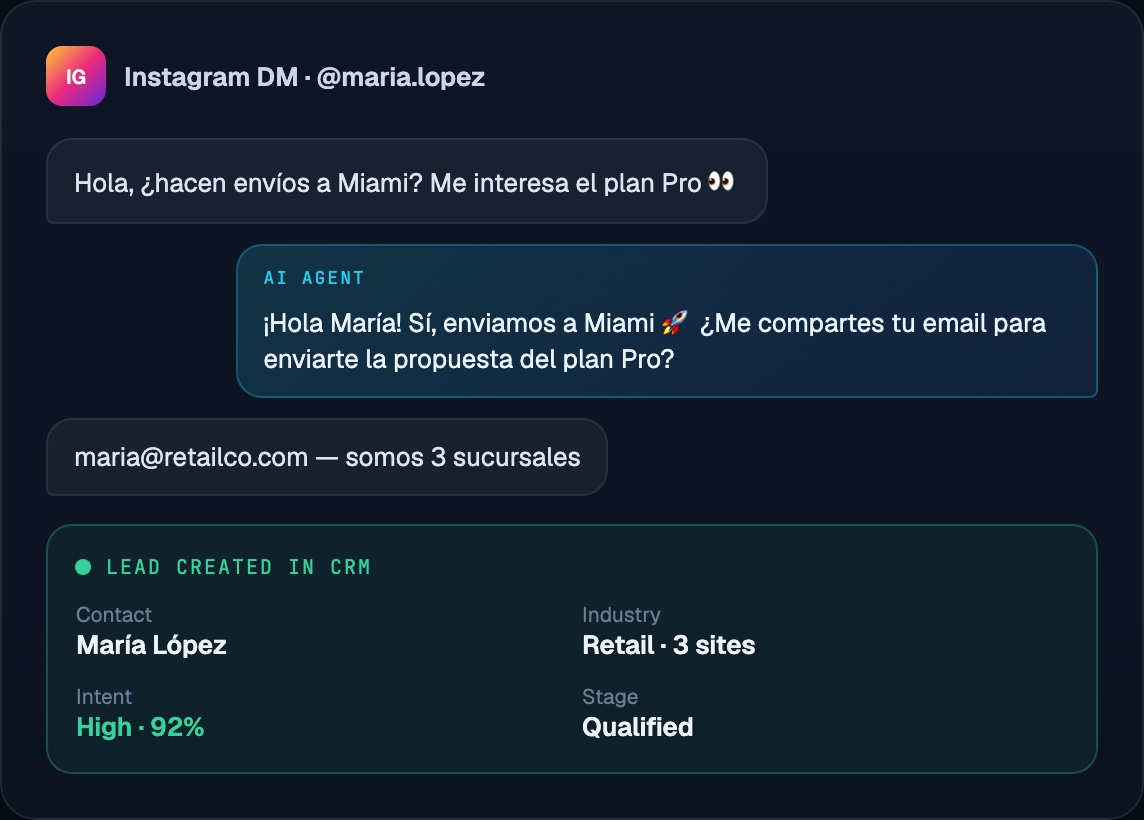
Digital engagement
Social
Connect digital activity to the wider operation.
Plan, publish, monitor, and measure digital engagement while connecting campaign and customer signals to Quantifeye and the rest of the stack.
Explore SocialBuilt for operating complexity
Distributed operations. High-impact decisions. One control layer.
Quantifeye is designed for organizations where decisions affect locations, assets, customers, field teams, service levels, and capital allocation.
Deployment & control
Your infrastructure. Your operational control.
Deploy Quantifeye around your security, regulation, data sovereignty, and continuity requirements without separating intelligence from execution.
Explore Deployment OptionsSaaS
Managed deployment for faster adoption and centralized evolution.
Customer cloud
Operate within your private cloud boundary and existing controls.
Dockerized on-prem
Modern portability inside infrastructure you control.
Bare metal
Maximum control for restricted or mission-critical environments.
Questions enterprise teams ask
Clear answers before the first workshop.
What is an operational intelligence platform?
It connects live and historical operational data, applies analytics and AI, and coordinates the work required to act on that intelligence. Quantifeye closes the loop by capturing execution outcomes.
Does Quantifeye replace our ERP or CRM?
No. Quantifeye can connect the systems you already use. Connected ERP, CRM, and Social products are optional for organizations that need modern systems or a stronger structured-data foundation.
What data can Quantifeye connect?
ERP, CRM, POS, telemetry, IoT, documents, geospatial systems, field reports, operational workflows, and other enterprise sources through APIs and middleware.
Can Quantifeye run on premises?
Yes. Deployment options include SaaS, customer cloud, Dockerized on-premises, and bare metal for security, regulatory, and data-sovereignty requirements.
Start with the operating problem
Turn your operational data into the next best action.
Show us where data, decisions, and execution break apart. We will map how Quantifeye can connect them into one measurable operating cycle.