
Deployment and control
Your infrastructure boundary should not limit operational intelligence.
Deploy Quantifeye as SaaS, inside your cloud, Dockerized on premises, or on bare metal—supporting enterprise requirements for security, regulation, data sovereignty, continuity, and operational control.
The same Quantifeye operating environment
Product capability stays connected while the deployment model adapts to your controls.
Managed SaaS
Customer cloud
Docker on premises
Bare metal
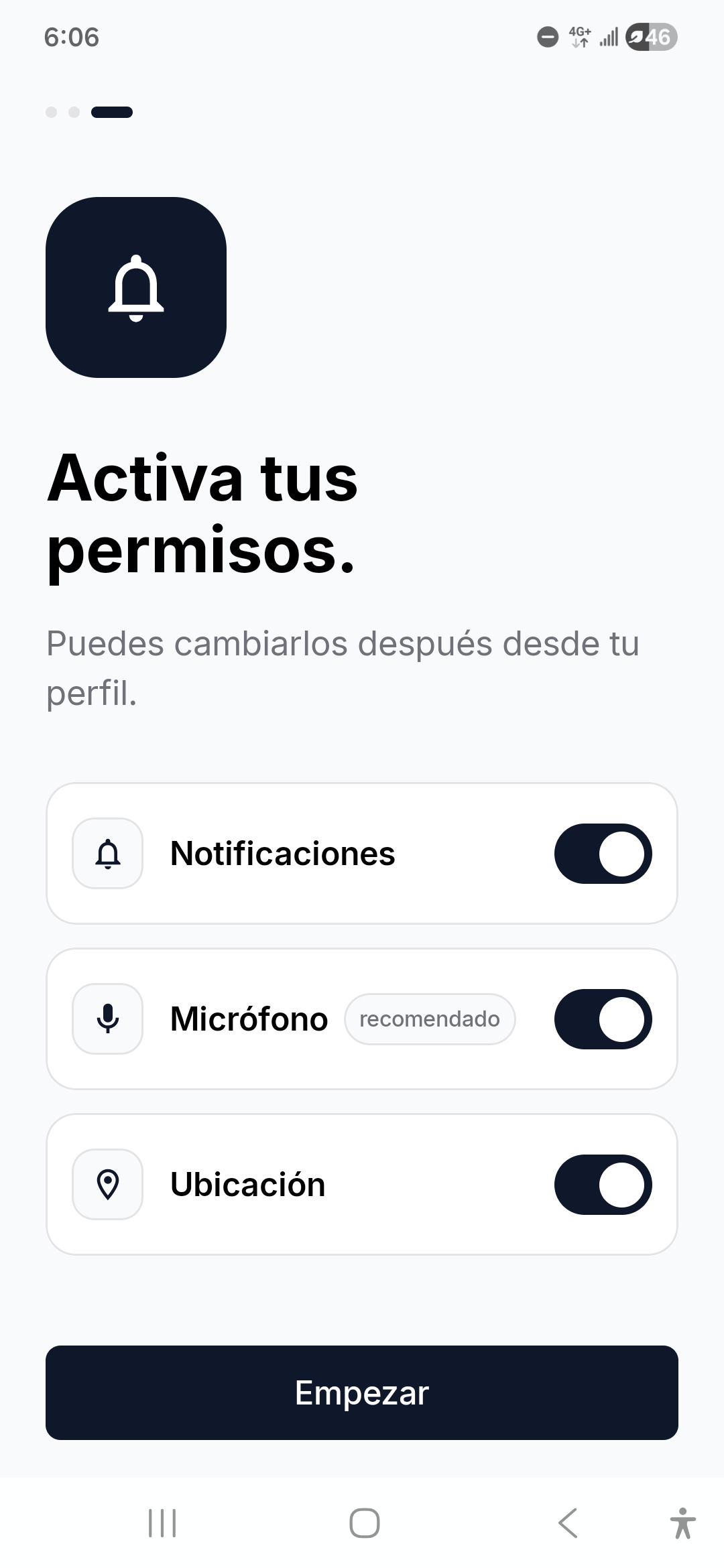
Device permissions · controlled surface
Deployment models
Enterprise deployment by design
Choose where it runs without separating intelligence from execution.
Deployment is part of the operating architecture. Quantifeye can align with the customer’s infrastructure boundary, identity, network, audit, and continuity requirements while preserving the full decision-to-action loop.
Managed SaaS
A managed cloud option for faster adoption, centralized updates, and lower infrastructure overhead.
Customer cloud
Deploy inside the customer’s cloud boundary and align with existing governance and network controls.
Dockerized on premises
Run a portable application stack in controlled infrastructure while retaining modern deployment practices.
Bare metal
Support highly restricted, isolated, or performance-sensitive environments requiring direct control.
Identity and audit alignment
Plan integration with enterprise identity, access, logging, and operational accountability requirements.
Residency and continuity
Design around data location, local availability, recovery expectations, and regulated operating constraints.
One product, multiple boundaries
Keep the operating experience consistent across the deployment model.
Teams should not lose analytics, AI assistance, workflow control, or operational context because infrastructure policy changes. Quantifeye is designed so architecture supports the operating model instead of fragmenting it.
- Consistent decision and execution environment
- Deployment aligned to enterprise policy
- Integration with the systems inside the customer boundary
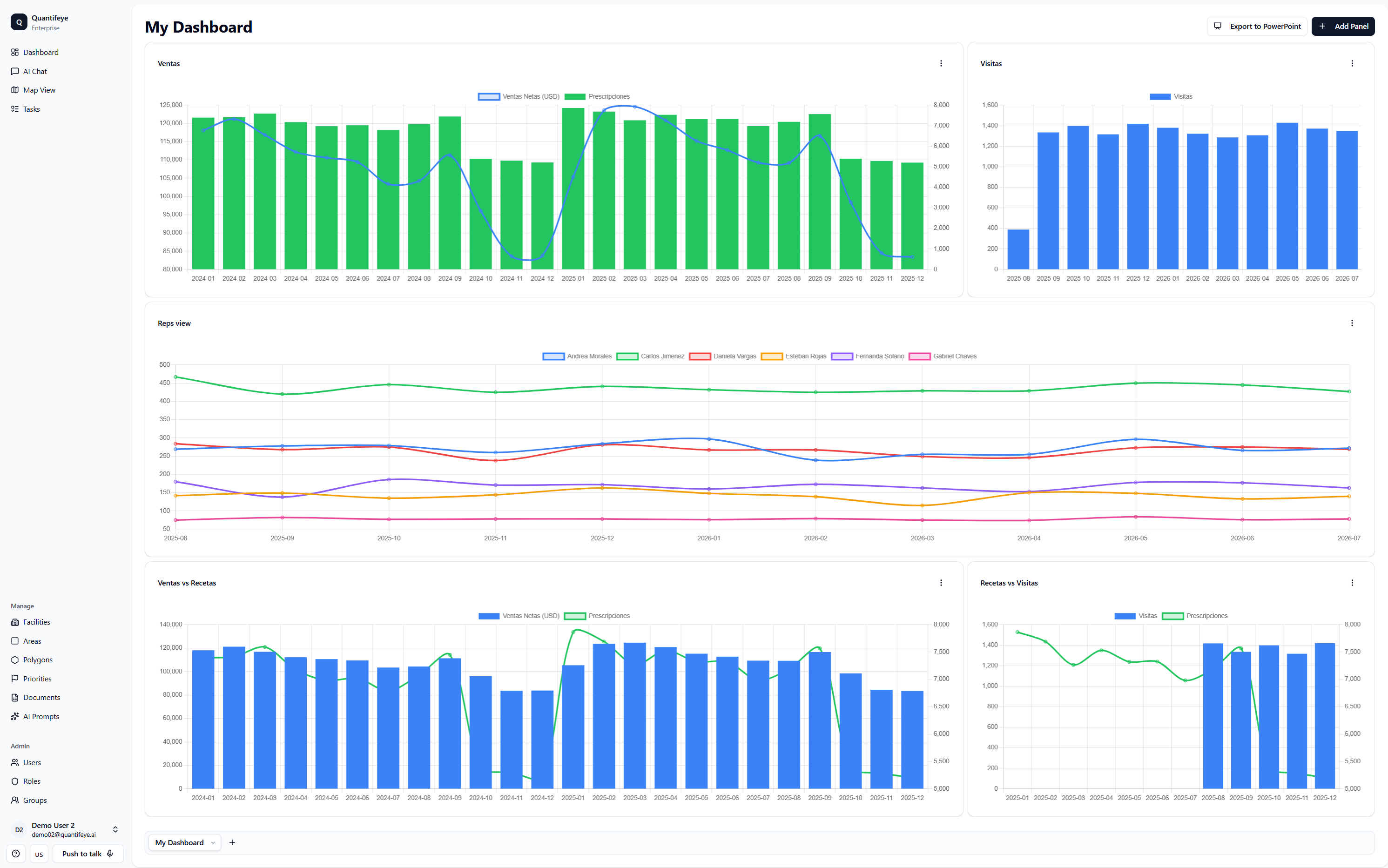
Quantifeye product · real environment
Keep the operating experience consistent across the deployment model.
Architecture discovery
Start with requirements, dependencies, and controls—not a hosting assumption.
The right model depends on data sensitivity, existing infrastructure, integration paths, identity, latency, availability, and the teams responsible for operating the environment.
- Infrastructure and integration inventory
- Security and governance requirements
- Operating ownership, support, and continuity model
Reference architecture
Start with requirements, dependencies, and controls—not a hosting assumption.
Managed SaaS
Customer cloud
Docker on premises
Bare metal
Deployment path
Architecture with a clear route to production.
A structured discovery process connects platform requirements with the controls and responsibilities of the operating environment.
Discover
Map data, integrations, users, networks, controls, and availability expectations.
Design
Select the deployment boundary and define identity, access, observability, and recovery.
Validate
Test integrations, performance, workflows, security controls, and operating responsibilities.
Operate
Launch with ownership, support, monitoring, and a path for controlled evolution.
Enterprise architecture conversation
Tell us what must stay under your control.
We will map the deployment, integration, and operating model needed to bring Quantifeye into your environment with a credible path to production.